
Covering Water Fast When Fish Are Active
Artificial Lure Fishing in Lake Texoma Kingston for anglers targeting striper and trophy fish through technique-driven guided trips
When stripers are actively feeding near structure, along points, or pushing baitfish toward the surface, covering water efficiently is what produces consistent hookups. Artificial lure fishing is built around speed and precision—presenting the right retrieve in the right zone at the moment fish are willing to commit. Playin-Hooky guides artificial lure fishing trips on Lake Texoma with a working understanding of which lure types perform in specific conditions, which retrieves trigger reaction strikes versus refusals, and where on the lake those feeding windows are most likely to open at a given time of year.
Lake Texoma striper will chase a well-presented swimbait, jig, or topwater plug aggressively during active feeding periods, but lure selection is more nuanced than picking a favorite color. Water clarity, depth, light penetration, and the size of the available baitfish all influence which profile and action the fish respond to on any given morning. A lure that produces strikes in clear water at midday may get ignored in the same location at dawn, which is why guided trips involve ongoing adjustments rather than a single setup that runs all day.
Arrange an artificial lure guided trip with Playin-Hooky by specifying your group size and any particular lure techniques you want to focus on or learn during the outing..
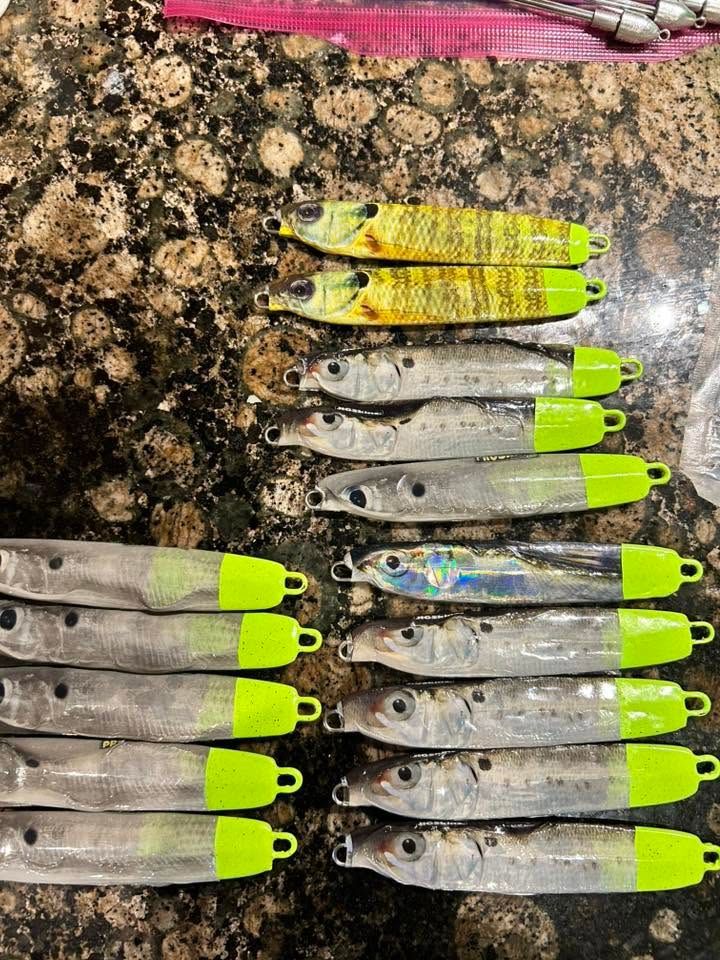
The Difference Between Covering Water and Fishing It Correctly
Artificial lure fishing trips involve continuous decision-making on the part of the guide—not just where to position the boat, but how fast to retrieve, how deep to run the lure, and when to switch presentations entirely. Trophy fishing with artificial lures on Lake Texoma often requires slowing down and targeting specific structural elements like submerged creek channels or ledge transitions rather than burning lures across open water hoping to intercept a school.
What anglers notice during a guided artificial lure trip is that the productive zones are rarely where instinct suggests. Fish holding on underwater structure may be invisible from the surface, and a guide using sonar to identify that structure before positioning the boat means your lure is working through productive water on every cast rather than covering dead zones. Playin-Hooky integrates that electronics-based positioning into every artificial lure trip so the fishing time is focused rather than exploratory.
Artificial lure trips can also be structured to teach specific casting and retrieve techniques, making them a productive format for anglers who want to develop their own skills alongside catching fish. Customizable trip formats mean experienced lure fishermen can request faster-paced, high-coverage approaches while newer anglers work on one technique at a time with coaching throughout the day..
What Lure Fishing Clients Frequently Ask
Anglers booking artificial lure trips on Lake Texoma often have specific questions about technique, gear, and what separates a productive lure day from a frustrating one.
What types of artificial lures are used on Lake Texoma striper trips?
Swimbaits, jigs, topwater plugs, and soft plastics are among the most commonly effective options, with selection based on current water conditions, depth, and how actively fish are feeding on the day of the trip.
How does retrieve speed affect whether stripers strike an artificial lure?
Stripers are reaction feeders under certain conditions, meaning a faster retrieve can trigger strikes from fish that won't commit to slow presentations—guides adjust retrieve speed throughout the day based on how fish respond.
Why do lure colors and profiles matter more on Lake Texoma than on some other fisheries?
Texoma's water clarity varies significantly by season and location, and fish in clearer water can closely inspect a lure before striking, making profile accuracy and natural color patterns more important than in murkier conditions.
When during the year is artificial lure fishing most productive on Lake Texoma?
Fall feeding frenzies, when stripers chase shad into shallow flats and along wind-blown points, produce some of the most aggressive topwater and swimbait action of the year—guides time trips to intersect those windows when possible.
How are artificial lure trips customized for anglers who want to improve their technique?
The guide can focus sessions on specific cast-and-retrieve patterns, target structure identification, or reading surface activity, depending on what skills you want to develop alongside actively fishing for striper.
Playin-Hooky works with anglers of all experience levels on Lake Texoma—call (417) 973-5314 to discuss which lure approach fits your group and lock in a trip date that aligns with the most productive seasonal window.